
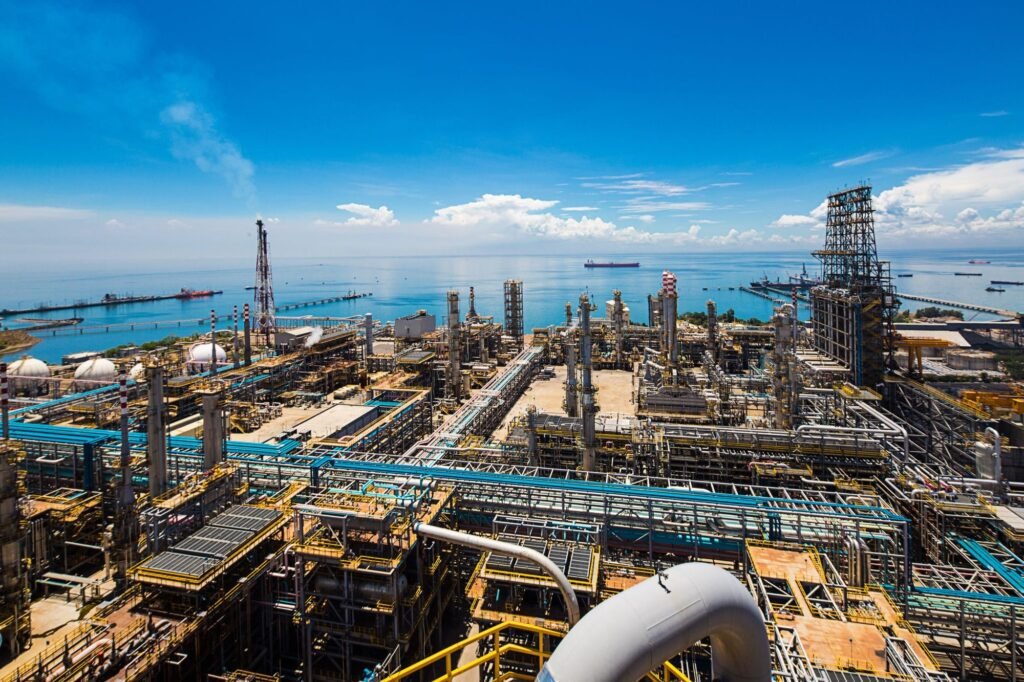
The industrial license is the point at which a manufacturing plan stops being a plan. Until it is issued, you cannot lawfully produce anything in the Kingdom, and every other decision you have made about premises, machinery and hiring is provisional.
Saudi Arabia has become a serious destination for industrial investment. Under Vision 2030 the Kingdom is actively encouraging local and foreign investors to build manufacturing capacity in sectors including food production, pharmaceuticals, chemicals, construction materials and advanced technology. The license is the gate you pass through to join that.
What the license is
An industrial license is the official authorisation to establish and operate a manufacturing or industrial facility inside Saudi Arabia. It confirms that your activity complies with Saudi rules on safety, environmental standards, zoning and production requirements.
Businesses that manufacture, process, assemble, package or otherwise carry out industrial production generally need it before they begin operating. It is a different instrument from a commercial license, which authorises trading, retail and commercial activity rather than manufacturing. Confusing the two is not a paperwork error, it is a structural one.
Who needs one
If your operations are industrial or manufacturing in nature, assume the license applies. Typical holders include:
- Food and beverage manufacturers
- Pharmaceutical companies
- Chemical production facilities
- Plastic manufacturers
- Metal fabrication companies
- Construction material manufacturers
- Textile factories
- Packaging companies
- Electronics manufacturers
The requirement does not distinguish between a local entrepreneur and an international investor. Both need the correct license in place before industrial operations start.
What holding one gives you
Legal authorisation
You can manufacture and distribute lawfully, within the Saudi regulatory framework rather than at the edge of it.
A share in the industrial push
Vision 2030 continues to back industrial investment through industrial cities, infrastructure and business-friendly policy. Licensed companies are the ones positioned to use that.
Access to industrial zones
Licensed businesses may set up inside designated industrial cities that come with developed infrastructure and logistics support.
Credibility
An approved license changes how customers, suppliers, investors and banks read your company. It is often the first thing a counterparty checks.
Room to expand
Licensed manufacturers find it easier to scale production, apply for further permits, and pursue regional and international growth.
Eligibility
Before applying, check yourself against the basics:
- A legally registered business entity
- Clearly defined manufacturing activities
- Suitable industrial premises or factory location
- Compliance with environmental regulations
- Safety and operational standards
- Financial capability to run the business
- Any required government approvals
Meeting these before submission is the cheapest way to shorten the review.
Documents
Applicants are typically asked for:
- Commercial Registration (CR)
- Company incorporation documents
- Shareholder identification documents
- Factory location details
- An industrial project plan
- Production process information
- Equipment and machinery details
- Environmental compliance documents
- Lease agreement or land ownership documents
- Financial information, where required
Some industries carry additional approvals on top of this list.
The seven steps
Step 1: Register the business
Establish the company first, and obtain the commercial license if your activity calls for one.
Step 2: Define the industrial activities
Be specific about what you will manufacture. Activity selection drives the licensing category, so vagueness here creates problems later.
Step 3: Prepare the documents
Assemble the full set before you submit. Partial files are the most common cause of avoidable delay.
Step 4: Submit the application
File through the appropriate Saudi government channels with the supporting documents attached.
Step 5: Technical review
The authorities examine the application, project details, factory plans, environmental compliance and operational requirements.
Step 6: Site inspection
For many industrial projects, officials will inspect the proposed facility to verify that safety and regulatory standards are met.
Step 7: Approval
Once everything is satisfied, the industrial license is issued and manufacturing can lawfully begin.
Mistakes that cost time
- Selecting incorrect business activities
- Submitting incomplete documentation
- Choosing an unsuitable factory location
- Ignoring environmental regulations
- Failing to obtain required approvals
- Providing inaccurate project information
The step founders most often underestimate is location. A site that suits your logistics can still fail on zoning or environmental grounds, and that discovery arrives late.
Questions I get asked
Which authority issues the license?
Industrial licenses in Saudi Arabia are primarily issued by the Ministry of Industry and Mineral Resources (MIM). Depending on your activity, other government bodies may also need to approve before the license is granted.
Can I apply online?
Yes. Applications can be made through the official online government portal. You create an account, complete the form, upload the required documents, pay the applicable fees, and track progress until the review is complete and the license is issued.
What does it cost?
Fees vary with the business activity, project size and government requirements. Expect further costs around company registration, environmental approvals, inspections and other regulatory services. Verify the current fee schedule with the relevant Saudi authority before you budget.
What are the minimum requirements to start?
A legally registered business, defined industrial activities, a suitable factory location, the required documentation, and compliance with environmental, safety and regulatory standards.
If you take one thing from this: get your activity classification and your site right at the start. Everything downstream in the process is built on those two decisions, and both are expensive to change once the file is open.